
HomeWAV
HomeWAV LLCCommunication
3.64.56K Reviews
- Version
- 2.27.0
- Installs
- 1.00M
- Age Rating
- Everyone
Screenshots
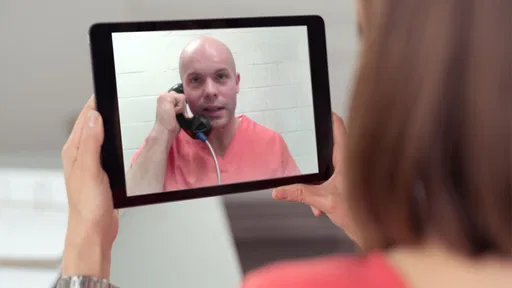

Our Review of HomeWAV
 Analysis by Appyee
Staying connected with someone in custody is rarely as simple as making an ordinary phone call. Schedules, facility procedures, distance, and the emotional weight of the situation can all make contact difficult. HomeWAV is built for that specific problem: it gives families and friends a way to arrange visits with incarcerated loved ones through a communication app rather than relying only on in-person travel or conventional calling options.
After spending time with it, my view is straightforward: HomeWAV is most useful when it is treated as a practical bridge to a scheduled visit, not as a general-purpose messaging app. Its value comes from serving a narrow but important need. If the facility connected to your loved one supports the service, it can make regular contact more manageable. If you are expecting the flexibility of WhatsApp, FaceTime, or a normal video-chat platform, its controlled environment may feel restrictive.
What HomeWAV is really designed to do
HomeWAV is a free communication app from HomeWAV LLC, focused on helping incarcerated people visit with family members and friends. That purpose shapes the entire experience. It is not trying to replace your everyday chat tools, and it is not a social network where you browse contacts or start conversations whenever you like. The app exists around a relationship that is important, but also subject to institutional rules.
I think that distinction matters before downloading it. The first question is not whether the app looks polished or whether it has more features than another calling service. The first question is whether it fits the correctional facility and person you need to reach. For the right user, that makes HomeWAV far more relevant than a mainstream video-calling app. For someone who simply wants to contact a friend who is not in custody, it is the wrong tool entirely.
The app belongs in the communication category, but that label can make it sound broader than it is. Its practical role is closer to a dedicated access point for approved contact. You use it because ordinary communication channels do not provide the same path to a person in a correctional setting. That specialization is both its strongest reason to exist and the source of many of its limitations.
The first setup decision is whether it applies to your situation
Before investing time in account setup or planning a visit, I would confirm that the relevant facility uses HomeWAV and that the person you want to contact can receive visits through it. This is the most important workflow tip I can offer. Many frustrations with services like this happen when people judge the app before checking whether the institution has enabled the service for their particular contact.
That check also helps set expectations. HomeWAV should not be viewed as a universal directory of incarcerated people. It is not a shortcut around facility procedures, and installing it does not automatically create access to anyone. The app is useful within the boundaries of the participating environment. Those boundaries are not a minor detail; they determine whether the app can do anything meaningful for you.
Once the service is relevant, I would approach the setup with the same care I use for any app connected to an important appointment. Keep the person’s identifying information consistent, review each screen before confirming it, and avoid assuming that a successful installation means a visit is immediately available. A small mistake in account or contact details can be especially inconvenient when the other side cannot simply send a quick corrective message.
Why the focused design can be a genuine strength
In my experience, the best thing about HomeWAV is that it acknowledges the reality of correctional communication instead of pretending it works like casual consumer chat. Families often need a dependable way to maintain a relationship across distance and restricted schedules. A dedicated service can make that process easier to understand than trying to combine unrelated tools, phone calls, and travel arrangements.
There is also an emotional benefit to having one recognizable place for this kind of contact. When a family is already dealing with stress, a specialized app can reduce the need to explain the situation repeatedly or search for a workaround every time a visit is needed. I would not call the experience effortless, but its purpose is clear, and clarity is valuable when the communication itself matters so much.
The app’s audience also explains why its age rating is Everyone. That does not mean every conversation will be easy or suitable for every household situation; it means the app is presented as a general communication utility rather than an adult entertainment product. Parents, relatives, partners, and friends may all have reasons to use it, provided the relevant facility and visit arrangement support them.
A realistic family scenario
Imagine a relative living several hours away from the facility where a family member is incarcerated. An in-person visit may require taking time off work, arranging transportation, and coordinating with other relatives. The family member could use HomeWAV as a more practical way to maintain contact between trips, while reserving physical visits for occasions when travel is realistic.
In that situation, I would use the app as part of a routine rather than opening it only during a crisis. I would check visit availability early, keep the intended time visible on a shared calendar, and make sure everyone knows that the visit still depends on the facility’s process. That last point is important: the app can support communication, but it cannot remove the institutional conditions around communication.
A second useful scenario involves relatives who live in different places. Instead of asking one person to handle every visit, family members can organize their own contact through the same service when permitted. That can make participation more distributed and reduce the feeling that one caregiver is carrying the entire responsibility for staying connected.
Where the experience becomes frustrating
The central weakness is that HomeWAV is not fully under the user’s control. With a normal messaging app, both people generally decide when to write, call, or video chat. Here, the facility’s participation and procedures remain decisive. A user may be ready, have a working device, and still be unable to complete a visit in the way they expected.
That lack of flexibility can be emotionally difficult. If you are accustomed to instant messaging, you may find the process slow or formal. You cannot reasonably expect the same spontaneous rhythm as a conversation with a friend on a mainstream platform. The app’s controlled purpose is necessary for its setting, but it also means that convenience is conditional rather than guaranteed.
I would also be careful about treating the app as a replacement for every other form of support. It may help maintain contact, but it does not replace the reassurance of an in-person visit, the clarity of speaking directly with facility staff, or the practical work of coordinating family responsibilities. When something goes wrong, the app may not be the right place to solve the underlying issue. Sometimes the fastest solution is to contact the facility through its established channel and then return to the app once the situation is clear.
How it compares with ordinary communication apps
Compared with FaceTime or other mainstream video-call tools, HomeWAV is less flexible but more relevant to its intended audience. Ordinary services are better for spontaneous calls, broad device compatibility, and conversations that do not depend on an institution. They are not designed around incarcerated contacts, however, so they may not provide a usable route to the person you need to reach.
Compared with messaging platforms such as WhatsApp, HomeWAV is also less social and less immediate. WhatsApp is excellent when both people already have accounts, internet access, and freedom to communicate directly. HomeWAV is more specialized: its value is not an extensive chat feature set but access within a particular correctional context.
That makes the comparison less about which app has the most functions and more about which problem you are solving. If you want group chats, casual voice notes, or a broad contact list, choose a conventional messenger. If your priority is maintaining an approved visit with someone in custody through a participating facility, the specialized option makes more sense.
Small habits that make the service easier to live with
One practical habit is to separate “technical readiness” from “visit readiness.” Before the scheduled time, I would check the device, connection, account access, and notification settings. Then I would separately confirm the appointment or visit arrangement. These are different problems, and solving one does not automatically solve the other.
Another useful habit is to keep expectations visible for everyone involved. If several relatives share responsibility, write down who is handling the visit, who needs to be present, and what the backup plan is if the session cannot happen. This is not a feature of the app, but it is an effective way to avoid duplicated arrangements and disappointed family members.
I would also avoid making HomeWAV the only channel for urgent information. A scheduled communication tool is not the same as an emergency service. If a matter involves immediate safety, a medical concern, or a time-sensitive facility question, use the appropriate official contact route rather than assuming the app will deliver an instant response.
Who will appreciate it most
HomeWAV is a strong fit for families and friends who already know that their correctional facility supports the service and who want a structured way to keep contact going. It is particularly practical for people who live too far away for frequent travel, have demanding work schedules, or need a more manageable alternative between in-person visits.
It can also suit users who prefer a dedicated app over juggling facility instructions with unrelated calling platforms. The narrow purpose may feel reassuring: you know why you are opening it, what kind of contact it is meant to support, and why the experience differs from ordinary chat.
The app is less suitable for someone who expects on-demand communication, wants to contact a person without checking institutional eligibility, or dislikes any process involving scheduled access. It is also not the best choice for ordinary family communication when everyone is free to use standard services. In that case, WhatsApp, FaceTime, or another familiar messenger will usually be simpler and more versatile.
Availability, cost, and device expectations
HomeWAV is free to download, which removes an obvious barrier for families deciding whether to try it. Still, “free” should not be confused with a promise that every aspect of a visit will be cost-free or available in every situation. The app itself has no listed purchase price, but the real usefulness comes from the facility arrangement and the type of visit being offered. I would review the applicable instructions before making plans around money or time.
The current version is 2.27.0, and the app supports Android 7.0 or later. That makes checking the age of an older phone worthwhile before a scheduled visit. If the device cannot run the app, the problem is not something you want to discover at the last minute. For iPhone users, I would likewise check the current store requirements on the device before relying on it for an important appointment.
HomeWAV has been available since October 24, 2012, and its reach is substantial, with more than a million installs. Its average rating is 3.6 from roughly eleven thousand ratings, alongside about four thousand six hundred written reviews. I read those figures as a sign of a useful but unevenly experienced service: enough people rely on it to make the app relevant, while the middling average suggests that real-world circumstances and user friction matter as much as the basic idea.
My final recommendation
HomeWAV is worth trying when it matches your facility and your need is maintaining approved contact with an incarcerated loved one. I would recommend it to families who need a practical bridge between visits, especially when distance or schedules make regular travel difficult. Its focused purpose is more valuable than a long list of general chat features in this particular situation.
My recommendation comes with a clear condition: do not judge it by the standards of a casual messenger. The experience is shaped by institutional procedures, and that can make it feel less immediate, less predictable, and less convenient than the apps you use every day. Prepare early, confirm the visit separately from the technical setup, and keep an official backup route for urgent questions.
For the right audience, that trade-off is acceptable because the alternative may be far less convenient or may not provide access at all. For everyone else, a conventional communication app will be easier. HomeWAV succeeds not by being a universal communication platform, but by addressing a difficult, specific form of contact. That is exactly why I would recommend it selectively rather than broadly.
Verdict
Strengths of HomeWAV
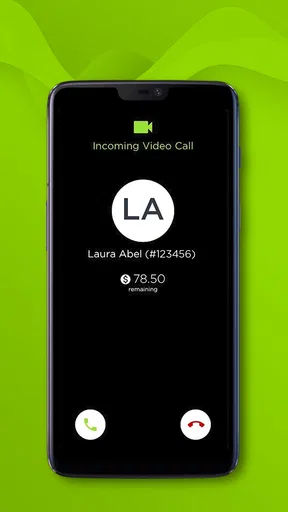
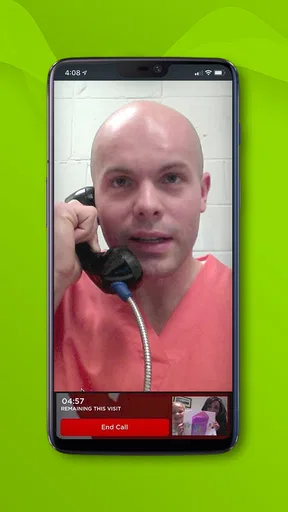
- Secure video visits connect inmates and approved contacts remotely.
- No travel is needed for routine correctional facility visits.
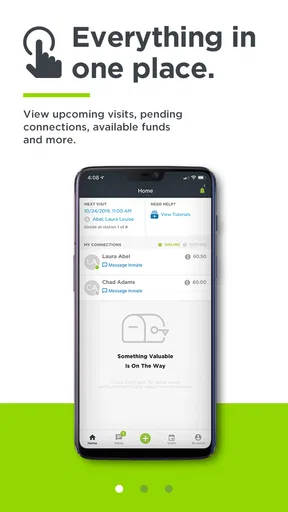
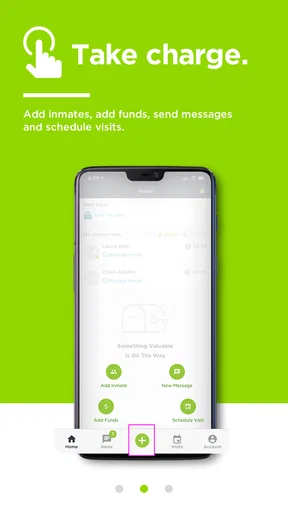
- Messaging and account management are available in one app.
- Visit scheduling can make facility communication more organized.
- Supports communication with multiple correctional facilities.
Limitations of HomeWAV
- Availability depends on whether the facility supports HomeWAV.
- Visit times and features may be limited by facility rules.
- Video quality can vary with network conditions and device cameras.
- Service fees may apply for certain calls or account functions.
- Users may need identity verification and facility approval before visiting.
Similar Picks in This Category
View All
Google Messages
Google LLC4.6

Gmail
Google LLC4.1

Google Meet
Google LLC4.4

Google Chrome
Google LLC4.1

WhatsApp Messenger
WhatsApp LLC4.6

Carrier Services
Google LLC4.2
Frequently Asked Questions
What is HomeWAV and who is it designed for?
HomeWAV is a communication platform designed to help people stay in contact with friends or family members who are incarcerated. Depending on the facility, the app may support video visitation, voice calls, messaging, and related account services. Availability and features are controlled by each correctional facility, so the experience can differ depending on where the incarcerated person is located.
How do I create an account and connect with an incarcerated person on HomeWAV?
To use HomeWAV, you generally need to download the app, register an account, and provide the requested personal information. You may then search for or select the participating correctional facility and add an approved contact. In some cases, the facility must verify or approve the connection before communication becomes available, so access may not be immediate after registration.
Does HomeWAV cost money to use?
Creating a HomeWAV account and downloading the application may be free, but communication services can involve charges. Costs may apply to video visits, voice calls, messaging, deposits, or other facility-specific services. Pricing, payment methods, refunds, and service fees can vary significantly by facility and location. Review the displayed rates carefully before confirming a purchase or scheduling a visit.
What equipment and permissions are required for HomeWAV video visits?
For video communication, HomeWAV typically requires a compatible Android or iOS device, a stable internet connection, and access to the device’s camera and microphone. You should allow the necessary permissions when prompted and test your connection before a scheduled visit. Poor Wi-Fi, blocked permissions, low battery, or an outdated app can affect video and audio quality.
Why might a HomeWAV call or video visit be unavailable or interrupted?
A communication session may be unavailable because of facility rules, scheduling restrictions, account approval requirements, technical maintenance, or limits placed on the incarcerated person’s communication privileges. Calls and visits can also be interrupted by weak internet service, device problems, or missed appointment times. If an issue continues, check the facility’s policies and contact HomeWAV support with your account details.
